 Knights Templar
Peter de Montaigu
Peter de Montaigu succeeded William of Chartres in 1219 while the Templars were serving at Damietta. He held office through the end of the Fifth Crusade and the later recovery of Jerusalem by treaty. In a letter to A. Martel, the acting preceptor in England, he left his own explanation of how the crusaders had won an Egyptian port and then been obliged to give it back.
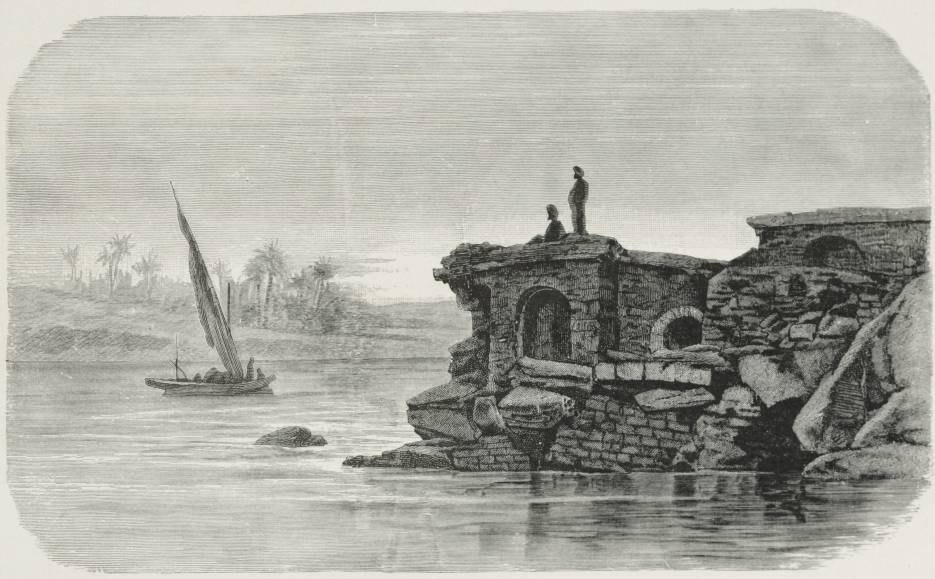
An election in the siege camp
One of the earliest records of Peter as master comes from the army outside Damietta. In August 1219 Milo of Bar-sur-Seine assigned the Temple thirty pounds in rents from property in France. The grant drawn up in the camp names three witnesses. When the city fell that November, the question facing Peter and the other leaders was whether to accept terms or use Damietta as a base for an advance farther into Egypt.
The loss of Damietta
In September 1221 Peter wrote from Acre about the summer’s expedition. He said a council that included the military orders had agreed to advance. In his account, men left the army, the Nile rose and supplies no longer reached the troops. The army negotiated its release by surrendering Damietta. Writing to another brother, Peter placed the decision to advance in the collective council. His letter matters precisely because an officer who shared responsibility was explaining the failure to his own order.
Jerusalem by treaty
Later in the decade the arrival of Frederick II presented a different problem. The emperor had come east under excommunication. The orders had to weigh their duty to the papacy against the opportunity to recover the holy places. In the treaty of 1229, al-Kamil of Egypt agreed to return much of Jerusalem. The Temple’s old quarters in the sacred enclosure did not return to its possession. Peter remained master into the early 1230s, when Armand de Périgord succeeded him.
References
- Grant to Peter de Montaigu at Damietta, 1219. The Crusades Regesta, RRR 1824. An August grant of rents identifies William’s successor during the siege.
- Peter de Montaigu’s account of the withdrawal from Egypt, 1221. The Crusades Regesta, RRR 1886. Letter from Acre to the order in England after the surrender of Damietta.
- Frederick II and al-Kamil, truce of 1229. The Crusades Regesta, RRR 2098. The register identifies both Arabic and Frankish narratives of the agreement.
- The patriarch of Jerusalem on the terms of the truce. The Crusades Regesta, RRR 2100. Selected clauses and the patriarch’s criticisms, preserved in his letter to the pope.
- Les familles d’outre-mer, masters of the Temple. Rey’s revised edition, pp. 882–889, including variant names, dated documents and the contested succession after La Forbie.
Illustration. F. C. Welsch, Travelers in the Middle East Archive. Original image and catalogue record. CC BY-SA 2.5. Resized for display.
