 Knights Templar
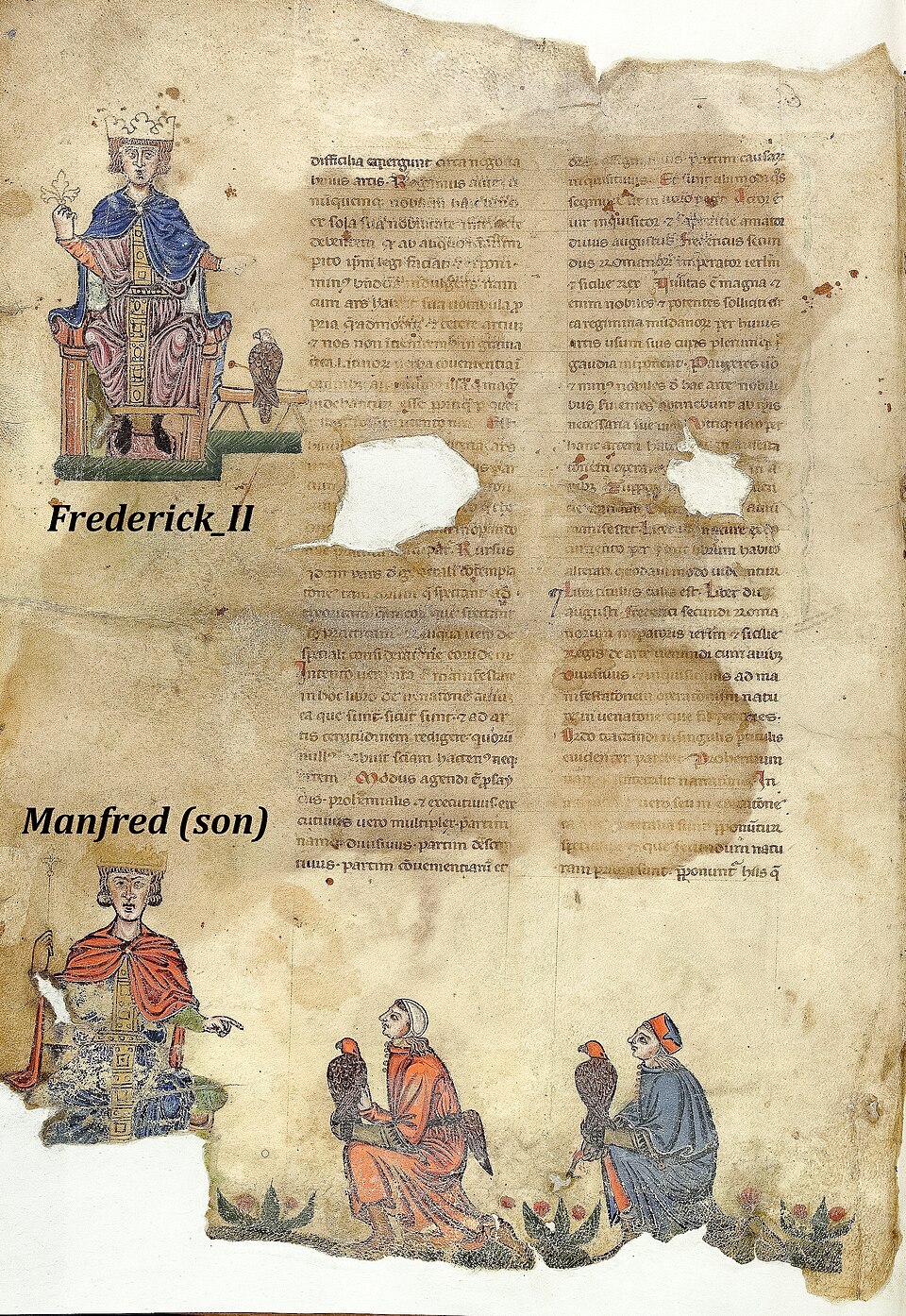
Frederick II
Frederick II (1194–1250) was king of Sicily, Holy Roman emperor and, through his marriage to Isabella II of Jerusalem, a claimant to the crown of Jerusalem. In 1229 he negotiated the return of much of the holy city to Christian government. The Templars, the Latin patriarch and Muslim custodians of the shrines all had reason to scrutinise the terms.
The Sicilian king and the crusade vow
Frederick inherited Sicily as a child in 1198 and became emperor in 1220. His promises to send an army east figured repeatedly in correspondence during the Fifth Crusade. In June 1221 Pope Honorius III relayed a promise of reinforcements to the orders and the papal legate. The army in Egypt had to surrender Damietta long before Frederick sailed. His marriage to Isabella in 1225 displaced her father John of Brienne from the government of Jerusalem.
Negotiations with al-Kamil
After illness interrupted his departure in 1227, Frederick was excommunicated. He sailed from Brindisi on the Italian mainland the following year. Al-Kamil also had pressing concerns elsewhere in his dominions. Their Treaty of Jaffa (1229) gave Frederick access to Jerusalem and a route from the coast. The Temple Mount remained under Muslim administration. Christian access to the Holy Sepulchre and Muslim possession of the sanctuaries could thus coexist within the same city. The Latin patriarch’s report to the pope objected to the restrictions and the difficulty of defending Jerusalem.
The Temple and the emperor
Frederick’s dealings with the order remained contentious after his return to Italy. In 1243 he threatened confiscation in a dispute over Templar activity at the sanctuary. Two years later Pope Innocent IV pronounced him deposed at the First Council of Lyon. Frederick continued to govern in defiance of the sentence until his death in southern Italy in 1250. His burial in Palermo returned him to the city of his Sicilian coronation.
References
- Honorius III to the orders and the legate, June 1221. The Crusades Regesta, RRR 1878. Reports the emperor’s promise to sail the next March and identifies other reinforcements expected.
- John of Brienne to the high court about Isabella’s marriage, 1225. The Crusades Regesta, RRR 2002. Compare RRR 2001 and 2003 for the notices from the pope and emperor.
- Frederick II and al-Kamil, truce of 1229. The Crusades Regesta, RRR 2098. The register identifies both Arabic and Frankish narratives of the agreement.
- The patriarch of Jerusalem on the terms of the truce. The Crusades Regesta, RRR 2100. Selected clauses and the patriarch’s criticisms, preserved in his letter to the pope.
- Frederick II to his representative in the Holy Land, 1243. The Crusades Regesta, RRR 2446. The emperor threatens confiscation if the Temple pursues its plans for the sanctuary in Jerusalem.
- First Council of Lyon, decisions of 1245. The sentence concerning Frederick II and the decrees for aid to the Holy Land in the English translation of the conciliar acts.
- Italian National Tourist Board, Palermo and its Arab-Norman monuments. Institutional descriptions of the royal palace, churches, mosaics and surviving fabric of the Norman capital.
Illustration. Ray Oaks, Vatican Library, Pal. lat. 1071, fol. 1v. Original image and catalogue record. CC BY-SA 4.0. Resized for display.
