 Knights Templar
Cairo
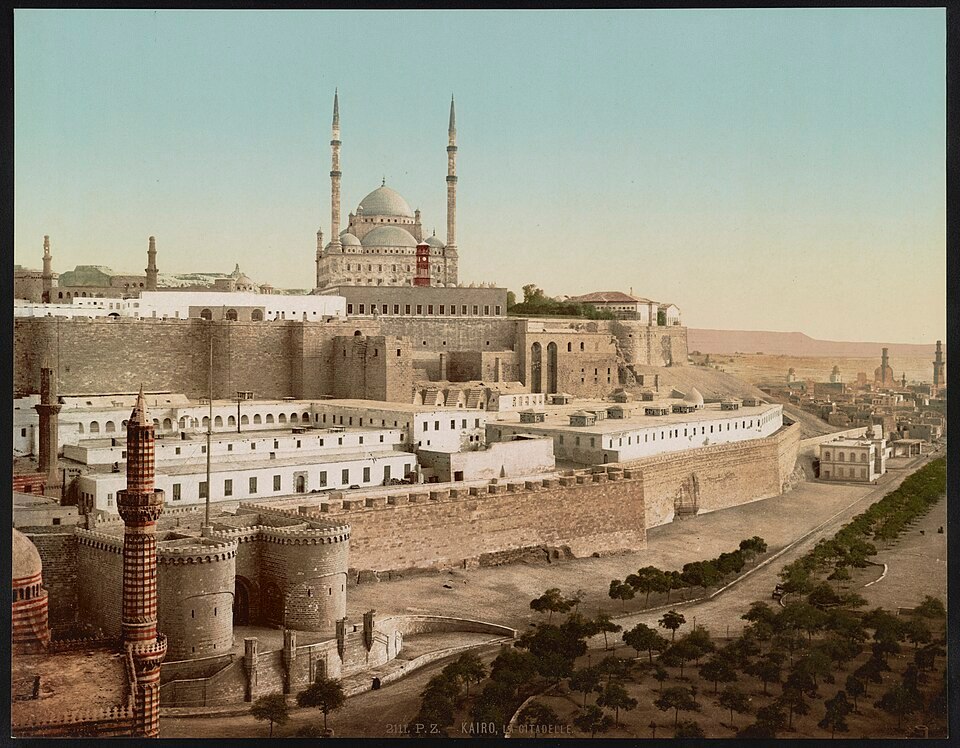
Cairo was the seat of the Ayyubid and then the Mamluk government of Egypt. Armies approaching from the Mediterranean had to move through the Nile delta to reach it. On the Seventh Crusade the city received news, fugitives and prisoners from the front long before the invaders came near it.
News from the delta
After Damietta fell in June 1249, the loss of the port alarmed the capital. In al-Maqrizi’s account the court called for men to defend the country. On the day of the Battle of Mansurah two messages arrived by carrier pigeon. The first announced that the Egyptian camp had been overrun, the second that the French had been checked. Refugees from the fighting entered through gates left open into the night.
A victory brought home
Al-Maqrizi also describes a public procession of captives through Cairo after the Battle of La Forbie in 1244. The prisoners included both Franks and Muslim soldiers from the Syrian states. To inhabitants watching from the street, the procession displayed a victory for their sultan over a coalition of neighbors as well as overseas crusaders.
References
- Al-Maqrizi, al-Suluk, account of the crusade of Louis IX. The Egyptian historian compiled his account more than a century after the events. English translation in Chronicles of the Crusades (1848), reproduced by Fordham University. The editorial footnotes are distinct from the chronicle.
Illustration. Photoglob Co., publisher. Original image and catalogue record. Public domain. Resized for display.
