 Knights Templar
Bohemond III of Antioch
Bohemond III was prince of Antioch until his death in 1201. The disputed succession that followed divided two branches of his family, the communities of the principality and its neighbors in Armenian Cilicia.
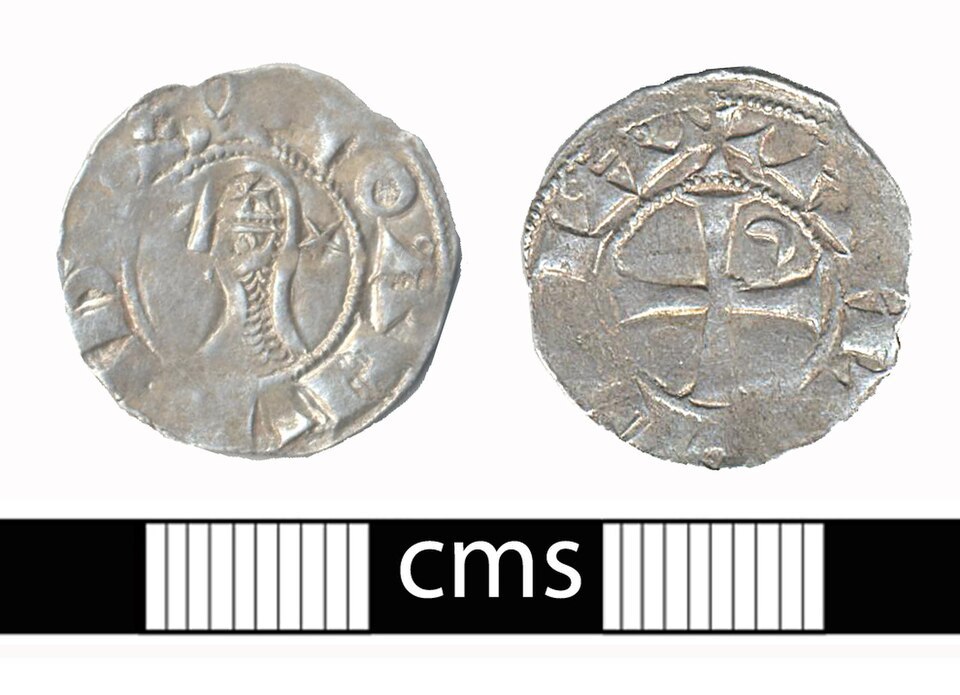
A prince taken prisoner
In August 1164 Bohemond led men from Antioch to the relief of Harim. The Battle of Harim ended in his capture, together with Raymond III of Tripoli and other commanders. William of Tyre says that, after his release, Bohemond visited the Byzantine emperor, who had married the prince’s sister. The prospect of Byzantine intervention also figures in Arabic accounts of why Nur al-Din stopped short of an assault on Antioch itself.
Antioch after the battle
The prince’s captivity briefly left one of the northernmost Frankish cities without its ruler. In his letter of November 1164, the Templar master told Louis VII of France that the army of Antioch had been defeated and that the city was vulnerable to both its Muslim and Byzantine neighbours. The letter shows how the danger looked to a commander trying to find reinforcements. Bohemond’s survival and return allowed his dynasty to remain in power for another generation.
A contested inheritance
Bohemond’s elder son Raymond died before him. Raymond left a son, Raymond-Roupen of Antioch, whose claim had Armenian backing. Bohemond’s surviving son Bohemond IV of Antioch already held Tripoli. When the old prince died in 1201, a grandson in the elder line faced an adult uncle who could bring his own men to the city. Their competing promises to religious orders remained in dispute long after possession of Antioch had changed hands.
References
- William of Tyre, History, book XIX, chapters 9–12. The army sent to relieve Harenc, the prisoners and the return of Bohemond. The printed Latin gives 1165. Compare the Templar letter of November 1164 and the Arabic annal for 559 AH for the year.
- Ibn al-Athir, The Complete History, events of 559 AH. Recueil des historiens des croisades, Historiens orientaux, I, pp. 535–541, on Harim and Banias. The Arabic text and French translation appear together.
- Bertrand de Blanchefort’s letter to Louis VII. November 1164. The Crusades Regesta, RRR 740, citing Recueil des historiens des Gaules et de la France, vol. 16, pp. 79–80, no. 244.
- Letter of the Armenian king, 1204. The Crusades Regesta, RRR 1534. The king gives his account of the succession struggle at Antioch and his dispute with the Temple.
- Raymond-Roupen’s grant to the Hospital, 1207. The Crusades Regesta, RRR 1589. The young claimant promises confirmation on reaching majority, and Leo seals the act.
- Pelagius of Albano, award concerning Gibel, 15 October 1221. Latin text. Delaville Le Roulx, Cartulaire général de l’ordre des Hospitaliers, vol. II, p. 297, no. 1739. The ruling sets out the competing grants and the penalty for refusing the arbitration.

Illustration. Oxfordshire County Council, photograph by Anni Byard. Original image and catalogue record. CC BY-SA 2.0. Resized for display.
