 Knights Templar
Antioch
Antioch stood on the Orontes near modern Antakya. It had been a great city of the Roman and Byzantine empires and the seat of an ancient Christian patriarchate long before the crusaders took it in 1098. During the Frankish principality, Greek, Armenian, Syriac and Latin Christian communities lived in the city and its hinterland.
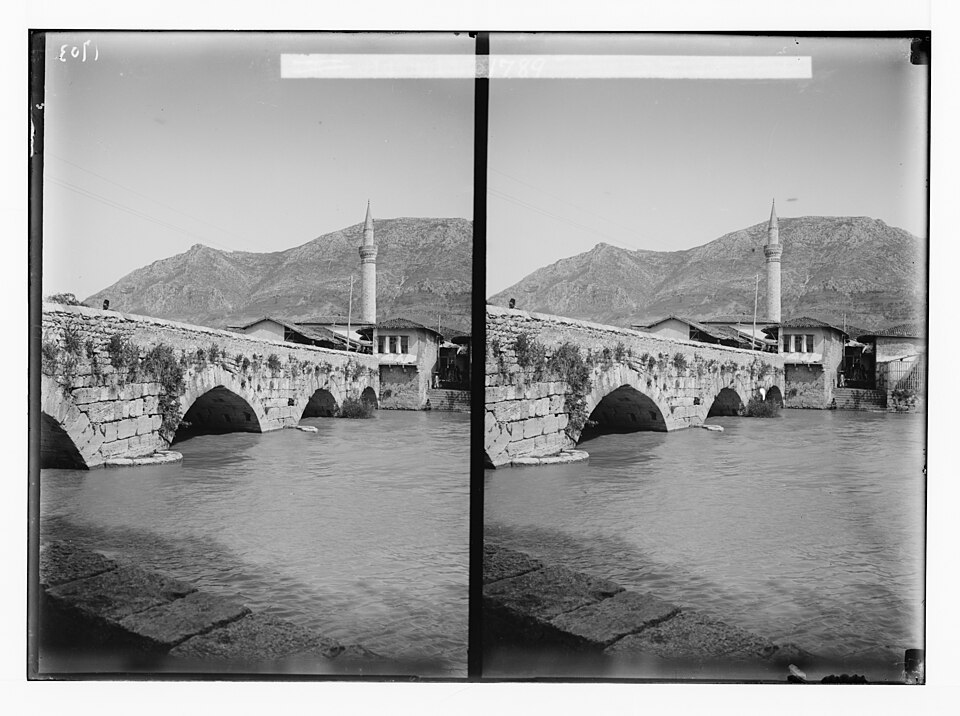
City, citadel and principality
Possession of the town gave access to the roads north toward Armenian Cilicia and south toward Tripoli. The citadel above it was a separate military position. That distinction mattered during the contest between Bohemond IV of Antioch and Raymond-Roupen of Antioch. Pope Innocent III at one point proposed that the citadel be surrendered to the patriarch and that both military orders help him. The town had civic officers of its own, whose assent could matter as much as the word of an absent prince.
Flags and property
In 1204 Leo I of Cilician Armenia accused the Templars of occupying towers and attacking his followers in and outside the city. His report of 1216 offers quite a different scene. The patriarch handed Raymond-Roupen the princely standard at the cathedral. Knights did homage at the palace, and exiles received back their possessions. The Templars recovered Baghras. The two accounts describe what Leo wanted a pope in Rome to understand about his changing fortunes.
An embassy and the sack
In 1260 Thomas Bérard reported that the people of Antioch had sent envoys as Mongol forces advanced. His list included Greek and Syriac Christians, Latin friars and officers of the principality. Their city survived that crisis. In 1268 a Mamluk army under Baybars captured and sacked it. Many inhabitants were killed or enslaved, and the Frankish principality lost the city from which it took its name.
References
- Letter of the Armenian king, 1204. The Crusades Regesta, RRR 1534. The king gives his account of the succession struggle at Antioch and his dispute with the Temple.
- Innocent III to King Leo on the citadel and the castle of Gaston. The Crusades Regesta, RRR 1616. The pope’s letter from Viterbo urges a truce, proposes custody of the citadel and calls for restitution.
- Leo I to Innocent III on the installation of Raymond-Roupen, 1216. The Crusades Regesta, RRR 1736. The king describes the ceremony in Antioch and acknowledges the restoration of the castle of Gaston to the Temple.
- Thomas Bérard’s report to England, 1260. The Crusades Regesta, RRR 3289. Letter from Acre dated 4 March, on the Mongol advance and the responses of towns and rulers.
- The Templar of Tyre, Chronicle. Part III of Les Gestes des Chiprois, edited by Gaston Raynaud (1887). See §306 on the earlier captivity of Beaujeu and Gaudin and the entries for 1289–1291 on Tripoli, Acre and the remaining coastal towns.
Illustration. G. Eric and Edith Matson Photograph Collection, Library of Congress. Original image and catalogue record. Public domain. Resized for display.
