 Knights Templar
Nur al-Din
Nur al-Din Mahmud (1118–1174) ruled Aleppo from 1146 and Damascus from 1154. The son of Zengi, he brought the two main cities of inland Syria under one government. His career shaped the frontier on which the military orders served, from the approaches to Antioch to the roads into Egypt.
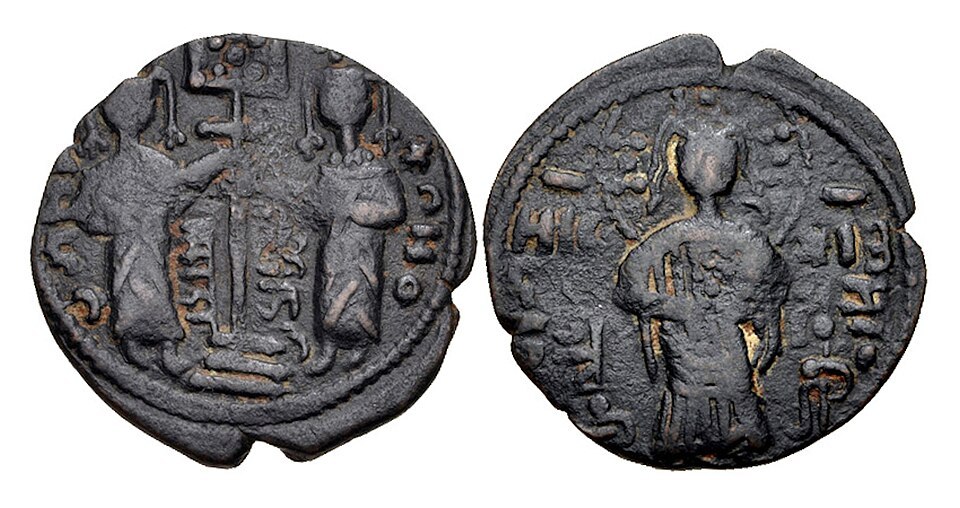
Aleppo and Damascus
Zengi’s death in 1146 divided his possessions. Nur al-Din took Aleppo and defeated an attempt to restore Frankish government at Edessa. His relationship with Damascus was more complicated. Its rulers had grounds to fear encirclement by Aleppo as well as an attack from the Kingdom of Jerusalem. The Siege of Damascus (1148) exposed that predicament. Six years later Nur al-Din entered Damascus and took possession of it. The local chronicler Ibn al-Qalanisi supplies a view from inside the city.
Egypt and the succession
When armies from Jerusalem intervened in Egyptian affairs, Nur al-Din sent expeditions of his own. The officer who ultimately rose to power in Egypt was Saladin. He acknowledged Nur al-Din’s superior authority during the latter’s lifetime, but governed from a rich and increasingly independent base. When Nur al-Din died in 1174 he left a young heir. Saladin obtained Damascus that year, although nearly another decade passed before he acquired Aleppo.
References
- Ibn al-Qalanisi, The Damascus Chronicle of the Crusades. English selection translated from Arabic by H. A. R. Gibb. See the entries for 539 AH on Edessa, 541 AH on Zengi’s death and 549 AH on the transfer of Damascus.
- William of Tyre, History, book XVI. Chapters 4–7 on the capture and sack of Edessa and the division of Zengi’s lands. Chapters 14–16 on the attempt to recover the city. Latin text.
- William of Tyre, History, book XX. Chapter 24 identifies Philip as a former master and describes the king’s embassy. Chapters 31–32 recount the killing of an envoy and the dispute with Odo.
- Baha al-Din Ibn Shaddad, The Life of Saladin. English edition of the Palestine Pilgrims’ Text Society (1897). See chapter CXVI on the captives, the chapters on the march to Arsuf, and the closing negotiations at Jaffa.
Illustration. CNG. Original image and catalogue record. CC BY-SA 2.5. Resized for display.
