 Knights Templar
Edessa
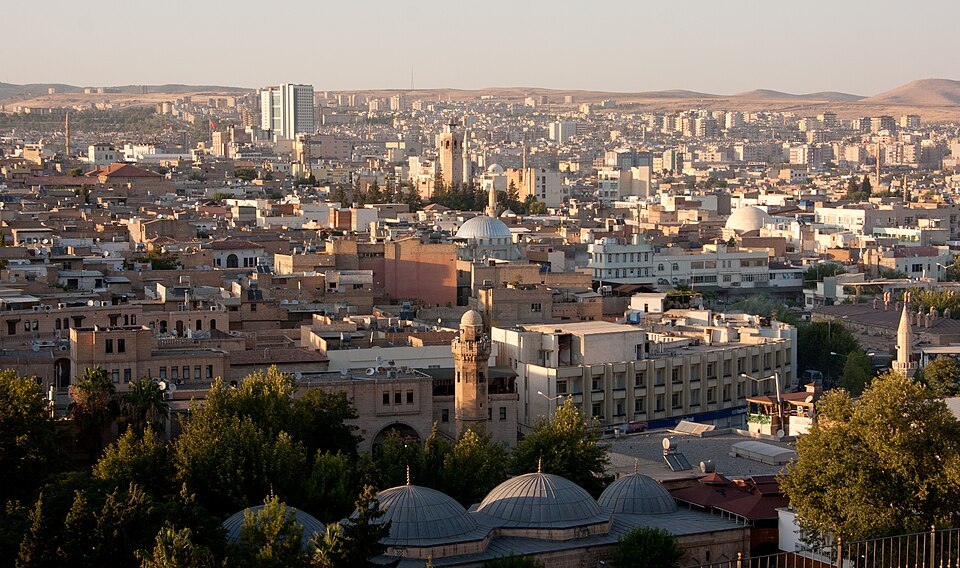
Edessa, the modern Şanlıurfa in southeastern Turkey, was a city of Syriac and Armenian Christians as well as Latin settlers. The Frankish county established there in 1098 stretched across lands on both sides of the Euphrates. Zengi captured its capital in December 1144, the first major city of the Latin settlements to fall.
The capture of 1144
The count was absent when Zengi’s forces arrived. William of Tyre, writing a generation later, recounts the efforts of townspeople and clergy to organise a defence and the lethal crush that followed the entry of the besiegers. He also describes Zengi’s decision to spare surviving local Christians and restore order. His account differentiates communities in ways obscured by the simple description of Edessa as a Frankish city. The Damascene chronicler Ibn al-Qalanisi describes the victory as a major achievement for a Muslim ruler.
The loss of a county
A Frankish attempt to recover Edessa after Zengi’s death in 1146 brought another catastrophe for its inhabitants. Nur al-Din held the city and the remaining county gradually disappeared. The news that reached western Europe inspired the Second Crusade. The western armies that reached Palestine in 1148 ultimately chose to attack Damascus, far to the south of the city whose loss had helped bring them east.
References
- William of Tyre, History, book XVI. Chapters 4–7 on the capture and sack of Edessa and the division of Zengi’s lands. Chapters 14–16 on the attempt to recover the city. Latin text.
- Ibn al-Qalanisi, The Damascus Chronicle of the Crusades. English selection translated from Arabic by H. A. R. Gibb. See the entries for 539 AH on Edessa, 541 AH on Zengi’s death and 549 AH on the transfer of Damascus.
- Ibn al-Qalanisi, The Damascus Chronicle of the Crusades. Extracts from the Arabic chronicle, translated by H. A. R. Gibb (1932), pp. 282–287.
- Letters of Conrad III during the Second Crusade. Two letters to the abbot of Corvey and Stavelot, translated in Translations and Reprints from the Original Sources of European History, vol. I, no. 4.
Illustration. Marcel Oosterwijk. Original image and catalogue record. CC BY-SA 2.0. Resized for display.
