 Knights Templar
Harim
Harim, called Harenc by Latin chroniclers, is a town and fortress in northwestern Syria near Antioch. The rulers of the inland city of Aleppo had reason to watch a stronghold held by the Franks so close to their western approaches. Accounts in both Arabic and Latin distinguish the fortress itself from the army that came to relieve it in 1164.
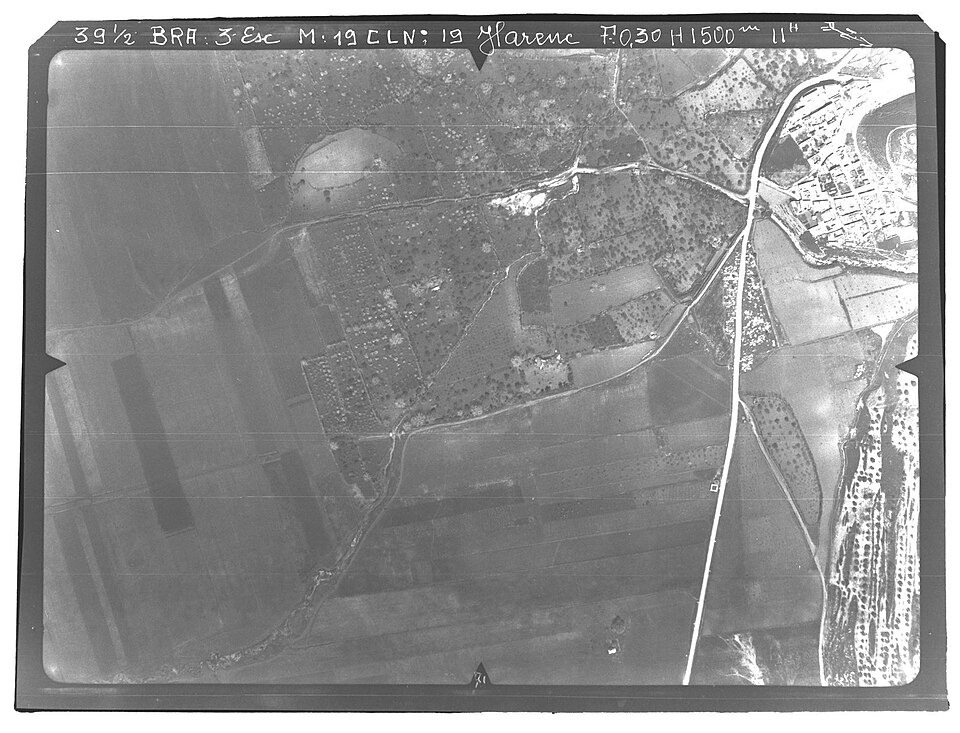
The fortress and its district
In his history, Ibn al-Athir mentions raids on Harim’s outlying settlement and negotiations about income from its surrounding district. Control of the stronghold mattered to the people who worked that land as well as to the garrison. At different times a settlement over revenues and an outright siege could be alternatives for the same rulers.
The change of possession
In August 1164 Nur al-Din invested Harim. The Battle of Harim brought the defeat of troops led by Bohemond III of Antioch and other commanders. With the relief force broken, the fortress fell. Bertrand de Blanchefort warned the French king that the army of Antioch had suffered a serious defeat. Antioch itself remained in Frankish hands.
References
- Ibn al-Athir, The Complete History, events of 559 AH. Recueil des historiens des croisades, Historiens orientaux, I, pp. 535–541, on Harim and Banias. The Arabic text and French translation appear together.
- William of Tyre, History, book XIX, chapters 9–12. The army sent to relieve Harenc, the prisoners and the return of Bohemond. The printed Latin gives 1165. Compare the Templar letter of November 1164 and the Arabic annal for 559 AH for the year.
- Bertrand de Blanchefort’s letter to Louis VII. November 1164. The Crusades Regesta, RRR 740, citing Recueil des historiens des Gaules et de la France, vol. 16, pp. 79–80, no. 244.
Illustration. Armée du Levant, Institut français du Proche-Orient. Original image and catalogue record. Licence Ouverte. Resized for display.
