 Knights Templar
Tyre
Tyre is a Mediterranean port in southern Lebanon. Its walled medieval city occupied the seaward end of a narrow approach from the mainland. Ships could reach it when every nearby road was in hostile hands. That difference explains why Tyre held out for years after the first Frankish conquests and again became a refuge after the Battle of Hattin.
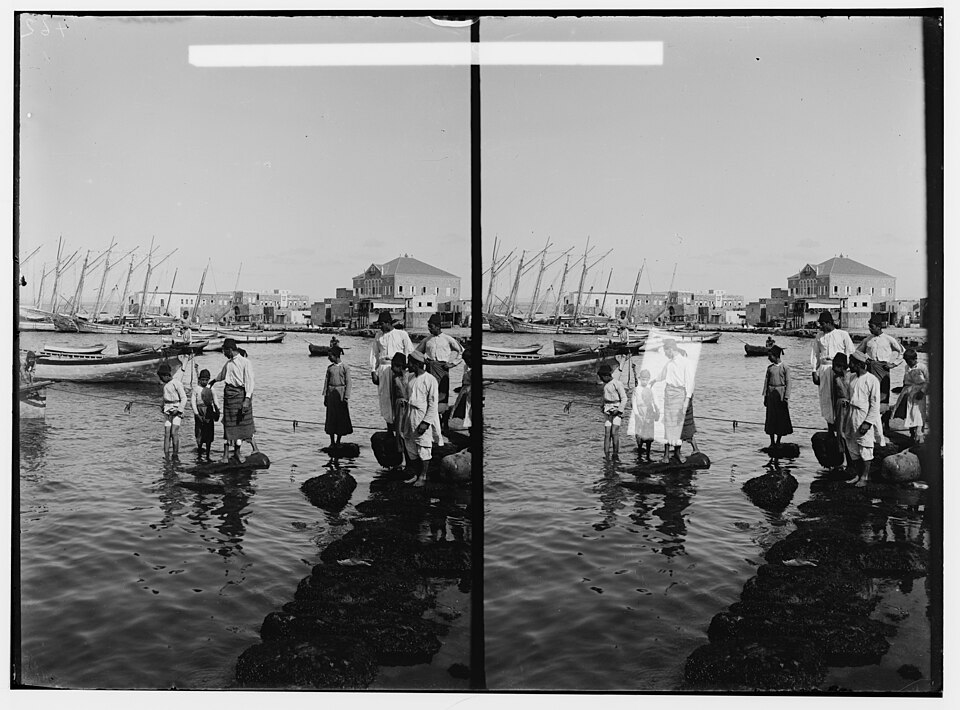
The siege of 1124
The Franks had already taken Acre, Sidon and other coastal towns when they laid siege to Tyre with the help of a Venetian fleet. Food ran short inside the city. In William of Tyre’s account, its inhabitants sought terms when it became clear that an army from Damascus could not relieve them. The agreement allowed people leaving the city to take their movable property with them. Tyre passed to the Kingdom of Jerusalem in July 1124. William himself would become archbishop here half a century later.
A refuge after Hattin
In 1187 Conrad of Montferrat organized the defense of the port while Saladin took most of the kingdom. New arrivals and people driven from neighboring towns could still find a Frankish-held harbor at Tyre. The distinction between keeping a port and commanding the kingdom became painfully clear when Guy of Lusignan, released from captivity, tried to reassert his authority. Their rivalry followed both men into the Siege of Acre (1189–1191).
The walls in 1202
Only three of the towers around the city were left standing after the Earthquake of 1202, according to the report Philippe du Plessis sent to Burgundy. He also described ruined houses. For the inhabitants, the disaster meant losses at home as well as a city left dangerously exposed. Tyre remained a Frankish port for nearly another century. Its evacuation followed the fall of Acre.
References
- William of Tyre, History, book XIII. Chapters 1–14 on the city, the Venetian fleet, the siege and the surrender of Tyre in 1124.
- Itinerarium peregrinorum, in Chronicles of the Crusades. Accessible English edition, 1882. The narrative of Richard’s expedition appears under the older attribution to Geoffrey of Vinsauf. See the sections on Cyprus and Acre.
- Philippe du Plessis to the abbot of Cîteaux, 1202. The Crusades Regesta, RRR 1509. The master reports conditions on the frontier, earthquake damage, disease and crop losses.
- The Templar of Tyre, Chronicle. Part III of Les Gestes des Chiprois, edited by Gaston Raynaud (1887). See §306 on the earlier captivity of Beaujeu and Gaudin and the entries for 1289–1291 on Tripoli, Acre and the remaining coastal towns.
Illustration. G. Eric and Edith Matson Photograph Collection, Library of Congress. Original image and catalogue record. Public domain. Resized for display.
