 Knights Templar
Messina
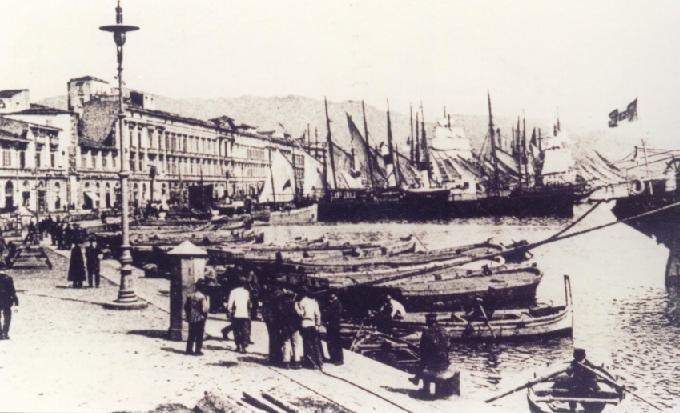
Messina stands on the northeastern tip of Sicily, facing the mainland across the strait that bears its name. Its sheltered harbour could accommodate a large fleet. During the winter of 1190–1191 it had to accommodate two visiting kings and their followers as well.
An uneasy winter quarters
Philip II of France and Richard I of England gathered their fleets in the region before sailing for the Third Crusade. Richard’s sister Joan was the widow of the previous Sicilian king. Her property and freedom of movement became matters of diplomacy. Fighting between Richard’s forces and townspeople culminated in the English occupation of Messina. The expedition’s account describes the settlement with the Sicilian ruler from the visitors’ side.
Sailing east
Philip went ahead to the Siege of Acre (1189–1191). Richard’s fleet left in spring 1191 with pilgrims, soldiers and members of his household. Storm damage and the separation of several ships brought him to Limassol and the conquest of Cyprus. Messina’s part in this sequence depended on the sailing season as much as on diplomacy. Crews could assemble there during the winter and put to sea when conditions permitted.
References
- Itinerarium peregrinorum, in Chronicles of the Crusades. Accessible English edition, 1882. The narrative of Richard’s expedition appears under the older attribution to Geoffrey of Vinsauf. See the sections on Cyprus and Acre.
- Neophytos, Concerning the Misfortunes of Cyprus. Greek text with English translation in C. D. Cobham, Excerpta Cypria, pp. 9–13. The preceding extract, pp. 6–9, gives the English expedition’s account.
- Italian National Tourist Board, Palermo and its Arab-Norman monuments. Institutional descriptions of the royal palace, churches, mosaics and surviving fabric of the Norman capital.
Illustration. Historical photograph, Messina. Original image and catalogue record. Public domain. Resized for display.
