 Knights Templar
Trial of the Templars
On Friday, 13 October 1307, officers of Philip IV of France arrested members of the Knights Templar across his kingdom. The arrests reached from provincial commanderies to the Temple in Paris, where the king’s men took the master, Jacques de Molay. The prosecution rested heavily on what brothers said had occurred behind closed doors when they joined the order.
Confessions and their circumstances
The charges included denying Christ and spitting on a cross during the reception ceremony. Inquisitors recorded admissions, denials and accounts of what another brother was said to have done. Some prisoners described torture. Others withdrew statements they had earlier made under oath. The surviving depositions often give the question alongside the answer. They also preserve descriptions of ordinary admissions, including the promises of obedience and the presentation of the mantle.
The pope’s inquiry
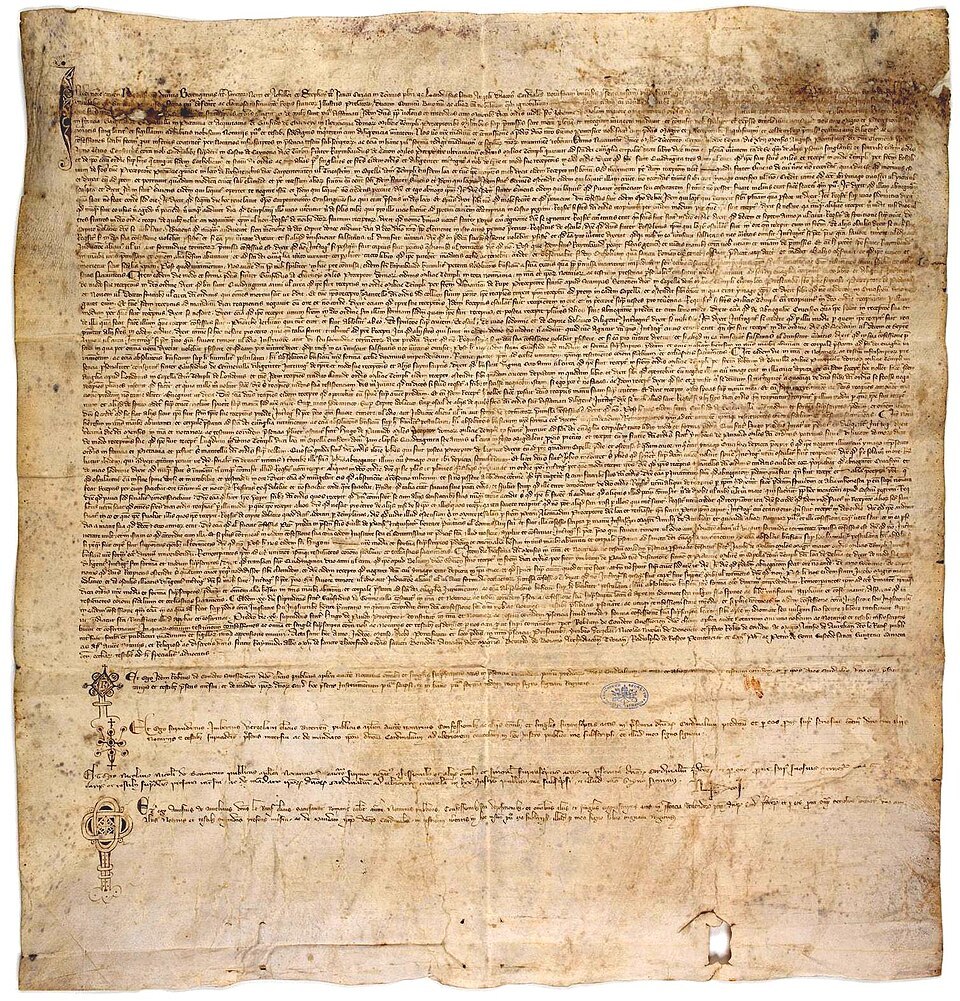
The king could arrest men and seize their houses. The decision whether the order should continue belonged to Pope Clement V. In August 1308 his commissioners examined a group of senior prisoners at Chinon. The Chinon parchment records that the commissioners restored the men to communion after they formally renounced heresy. The prisoners remained in custody. In Paris a separate papal commission heard witnesses on the case against the institution. Brothers who volunteered to defend it risked being treated as relapsed heretics if their defence contradicted earlier confessions.
Suppression and the last prisoners
In 1312 Clement dissolved the Temple at the Council of Vienne. In Vox in excelso he acknowledged that the evidence afforded no legal basis for a definitive sentence against the order. Ad providam dealt with its estates. Considerantes dudum left most individual cases to provincial councils and reserved certain officers to the pope. In March 1314 Molay repudiated his confession in Paris and was burned, together with the Templar preceptor of Normandy. Their deaths came nearly seven years after the arrests.
References
- Le Procès des Templiers. Trial records edited by Jules Michelet, vol. I. The proceedings distinguish testimony about individual brothers from the commission’s inquiry into the order.
- Vatican Apostolic Archive, parchment of Chinon, Archivum Arcis, Arm. D 217. Catalogue description of the original instrument dated 17–20 August 1308. D 218 is its authenticated copy.
- Council of Vienne. Vox in excelso and Ad providam, 1312. Clement V sets out the grounds for suppression and the disposition of the order’s property.
- Charles Moeller, The Knights Templars. A historical survey of the Templar habit, the red cross and the classes of brethren.
Illustration. Papal commission at Chinon, Vatican Apostolic Archive, Arm. D 217. Original image and catalogue record. Public domain. Resized for display.
