 Knights Templar
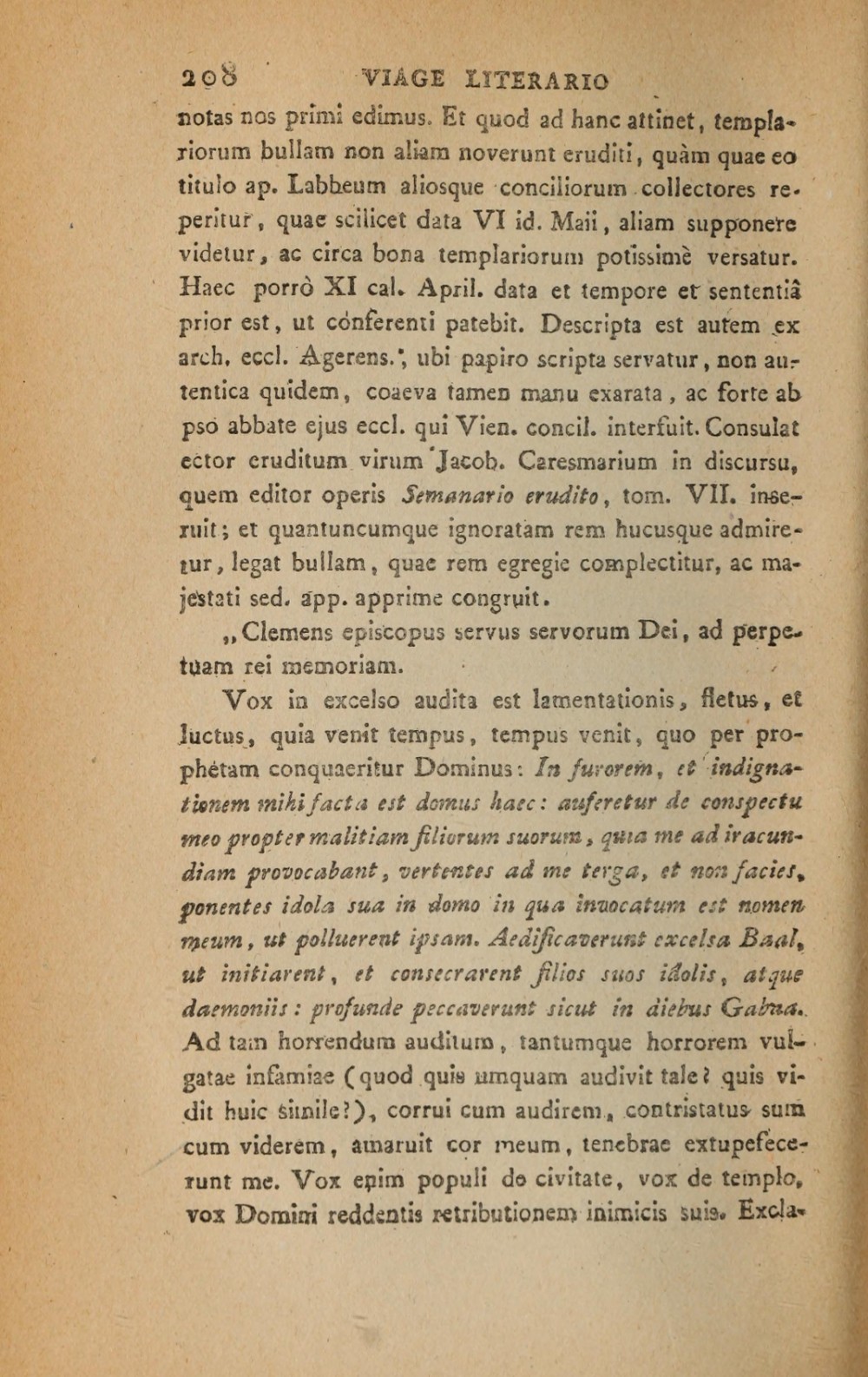
Vox in excelso
Vox in excelso is the decree by which Pope Clement V dissolved the Knights Templar. Dated 22 March 1312, it was announced in the presence of the Council of Vienne on 3 April. The Latin title comes from the opening words of the document.
How Clement justified suppression
Clement reviewed the accusations, confessions and investigations and acknowledged that the proceedings did not permit a definitive judicial sentence against the order. He then argued that its public standing had suffered beyond repair. Few men would join it, he maintained, and it could no longer carry out the service in the Holy Land for which people had given it property. He used his authority to suppress it by papal ordinance.
What the decree settled
The decision prohibited use of the order’s name and habit and forbade anyone to enter it. Clement reserved to the papacy the disposal of its people and property. In May he issued Ad providam on the estates and Considerantes dudum on the brothers. The Chinon parchment of 1308 illuminates an earlier stage, when his commissioners had restored individual prisoners to communion.
References
- Vox in excelso, Latin text from the royal archive in Barcelona. Jaime Villanueva, Viage literario a las iglesias de España, V, letter XLIV. The printed bull begins on p. 208.
- Council of Vienne. Vox in excelso and Ad providam, 1312. Clement V sets out the grounds for suppression and the disposition of the order’s property.
- Vatican Apostolic Archive, parchment of Chinon, Archivum Arcis, Arm. D 217. Catalogue description of the original instrument dated 17–20 August 1308. D 218 is its authenticated copy.
Illustration. Jaime Villanueva, Viage literario a las iglesias de España, vol. V. Original image and catalogue record. Public domain. Resized for display.
