 Knights Templar
Battle of Arsuf
On 7 September 1191 the army of Richard I of England defeated Saladin near Arsuf, on the Mediterranean coast north of Jaffa. It was the first large field battle after the Siege of Acre (1189–1191). Both armies left accounts of what happened during the march.
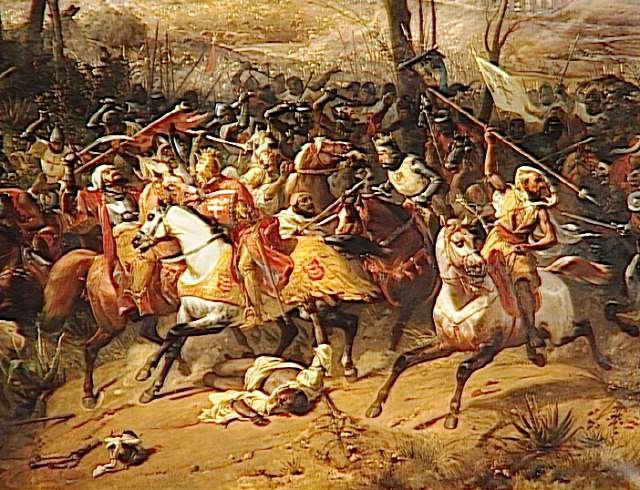
A moving battle
The crusading army had to bring horses, infantry and baggage south along the shore. Muslim horsemen repeatedly approached and withdrew as the column advanced. Keeping the ranks together mattered because a detached group of horsemen could be cut off. The Hospitallers were under particular pressure at the rear. The Frankish narrative describes their charge and the spread of the attack along the line. Baha al-Din Ibn Shaddad records the shock of the charge as it appeared from Saladin’s army and the difficulty of rallying men who had scattered.
The road to Jaffa
The victory enabled Richard to continue to Jaffa and restore a Frankish foothold there. Saladin retained a field army and could still contest any movement inland. In the months that followed both sides debated what to do with the fortifications at Ascalon. The Truce of Jaffa (1192) eventually settled which stretches of coast the Franks could keep.
References
- Itinerarium peregrinorum, in Chronicles of the Crusades. Accessible English edition, 1882. The narrative of Richard’s expedition appears under the older attribution to Geoffrey of Vinsauf. See the sections on Cyprus and Acre.
- Baha al-Din Ibn Shaddad, The Life of Saladin. English edition of the Palestine Pilgrims’ Text Society (1897). See chapter CXVI on the captives, the chapters on the march to Arsuf, and the closing negotiations at Jaffa.
Illustration. Éloi Firmin Féron. Original image and catalogue record. Public domain. Resized for display.
