 Knights Templar
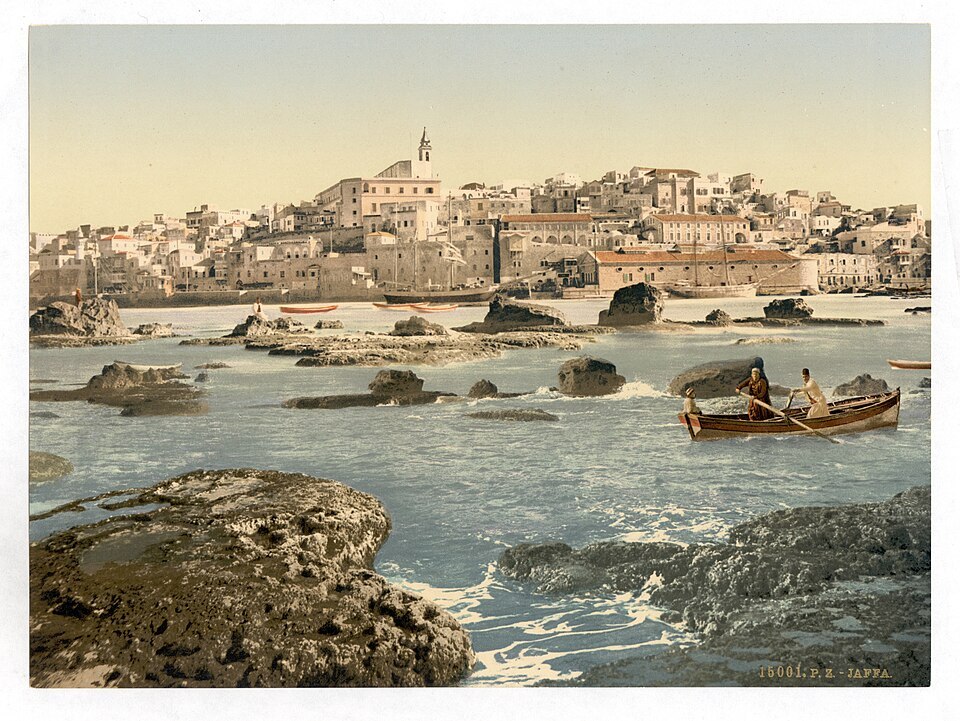
Jaffa
Jaffa is a Mediterranean port west of Jerusalem. A traveler arriving by sea still faced an overland journey to the holy places. During the Third Crusade the port offered an army shelter and a point of supply close enough to support a march inland.
The coast south of Acre
After the Battle of Arsuf in September 1191, Richard I of England occupied Jaffa. Possession of the port tied the southern end of the Frankish line to Acre by sea. The army could receive supplies there even when the roads inland were unsafe. Whether men could be fed between the coast and Jerusalem, particularly in winter, remained a question in the councils of the crusade.
Two agreements named for one port
In 1192 Saladin attacked Jaffa and Richard returned by sea to relieve its defenders. The Truce of Jaffa (1192) ended their campaign. A generation later the Treaty of Jaffa (1229) provided for Jerusalem to pass to Christian government while the Muslim holy places on the Temple Mount remained under Muslim control. The two agreements belong to different reigns and arose from different military circumstances.
References
- Itinerarium peregrinorum, in Chronicles of the Crusades. Accessible English edition, 1882. The narrative of Richard’s expedition appears under the older attribution to Geoffrey of Vinsauf. See the sections on Cyprus and Acre.
- Baha al-Din Ibn Shaddad, The Life of Saladin. English edition of the Palestine Pilgrims’ Text Society (1897). See chapter CXVI on the captives, the chapters on the march to Arsuf, and the closing negotiations at Jaffa.
- Frederick II and al-Kamil, truce of 1229. The Crusades Regesta, RRR 2098. The register identifies both Arabic and Frankish narratives of the agreement.
- The patriarch of Jerusalem on the terms of the truce. The Crusades Regesta, RRR 2100. Selected clauses and the patriarch’s criticisms, preserved in his letter to the pope.
Illustration. Photochrom Print Collection, Library of Congress. Original image and catalogue record. Public domain. Resized for display.
