 Knights Templar
Vienne
Vienne stands on the left bank of the Rhône, south of Lyon. Its cathedral of Saint-Maurice rises close to the river, below the hills of the old Roman city. In October 1311 prelates from across the Latin Church assembled here to consider the future of the Knights Templar.
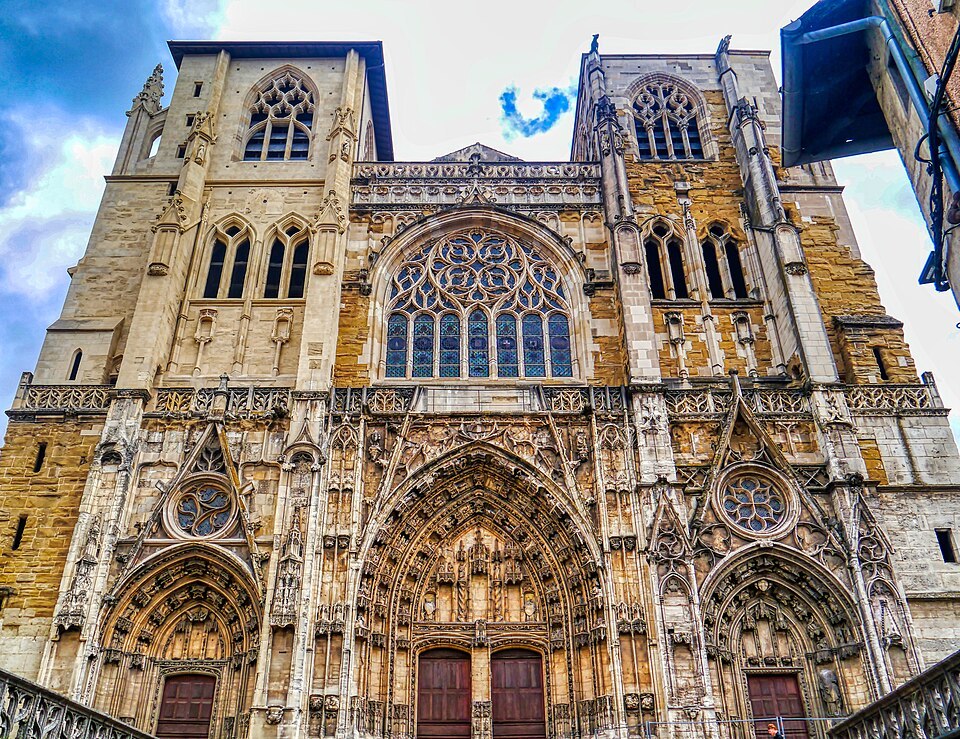
The cathedral and the river
The archbishop’s seat gave this stretch of the Rhône an importance that the size of the modern town scarcely suggests. The cathedral grew in stages. The west front seen from the river today was still unfinished when Pope Clement V came to Vienne. Its name, Saint-Maurice, distinguishes the building from the many other churches in the city.
The winter of 1311–1312
The Council of Vienne opened on 16 October. The pope asked the assembly to consider a new expedition to the Holy Land and reform within the Church as well as the evidence against the Temple. Written testimony had arrived from inquiries held elsewhere. Among the men who died in Vienne that winter was Étienne de Suisy, one of the cardinals who had questioned the Templar leaders at Chinon.
A decree announced in public
On 3 April 1312 the assembled clergy heard the decision to suppress the order. Philip IV of France was in Vienne. The decrees that followed in May settled questions left open at the announcement, including who could receive the Temple’s property. The execution of Jacques de Molay took place two years later in Paris.
References
- Vienne Condrieu Tourisme, Cathédrale Saint-Maurice. Local monument record for the cathedral on the Rhône. For the sessions of 1311–1312 see the conciliar acts.
- Council of Vienne. Vox in excelso and Ad providam, 1312. Clement V sets out the grounds for suppression and the disposition of the order’s property.
- Salvador Miranda, The Cardinals of the Holy Roman Church, consistory of 1305. Biographies of Bérenger Frédol the elder and Étienne de Suisy, with references to episcopal and curial registers.
Illustration. Zairon. Original image and catalogue record. CC BY-SA 4.0. Resized for display.
