 Knights Templar
Lyon
Lyon lies at the meeting of the Rhône and the Saône. Thirteenth-century Latin sources use its name for two different general councils. At the first, a pope pronounced sentence against Frederick II. At the second, Byzantine envoys and Latin churchmen proclaimed a union of the churches and discussed a new expedition to the East.
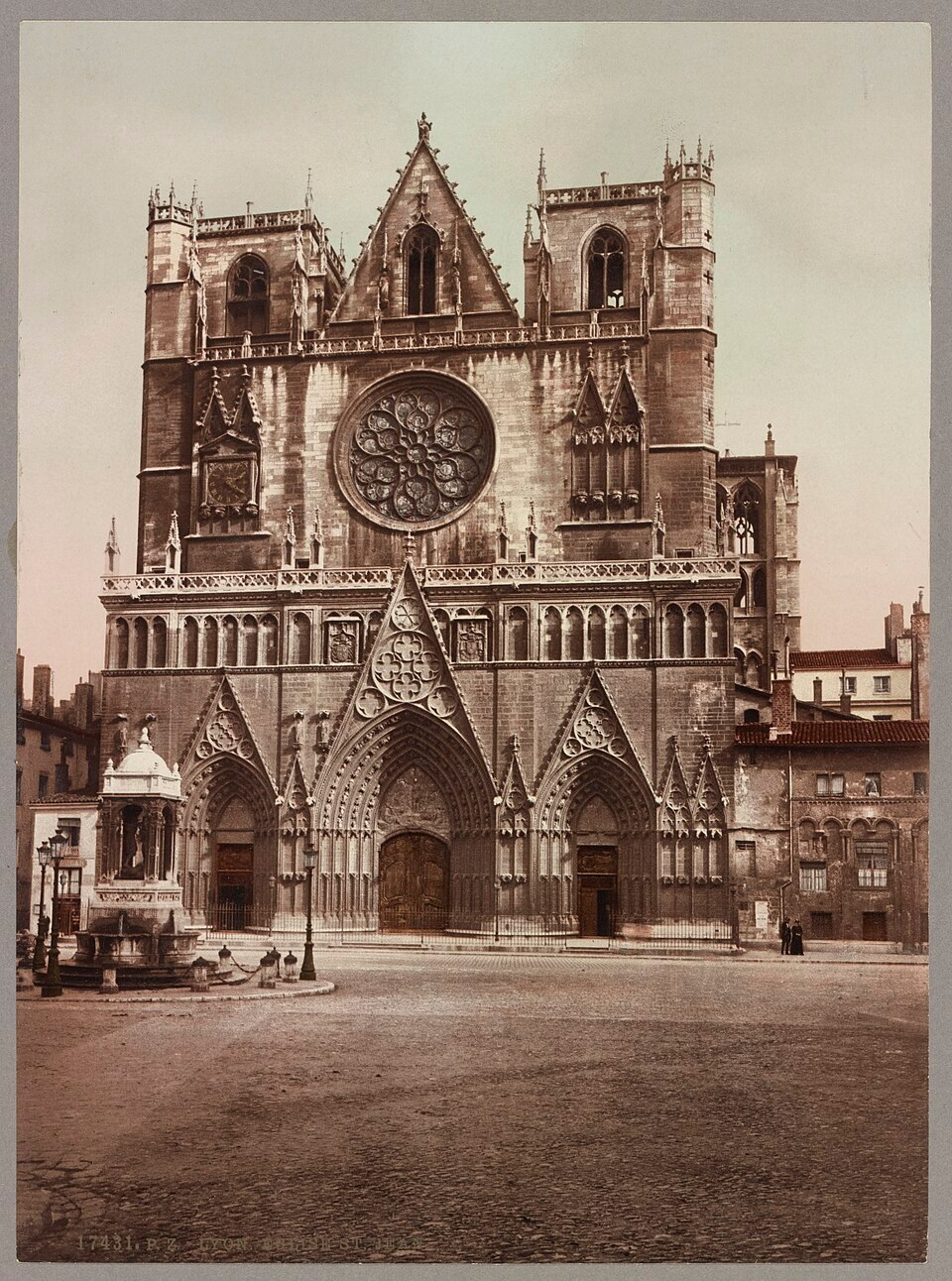
A pope away from Rome
Pope Innocent IV convened the First Council of Lyon in 1245 amid his dispute with Frederick. Its acts dealt with the Holy Land and the Mongol advance as well as the conduct of the emperor. Delegates who had traveled to hear the dispute also had to consider how churches far from the Mediterranean would pay for assistance to the East.
The council of 1274
Nearly thirty years later Pope Gregory X brought a second gathering to Lyon. William of Beaujeu attended early in his tenure as Templar master. The Second Council of Lyon adopted a levy on church revenues for six years. An embassy from Michael VIII Palaiologos also took part. The earlier council had met while there was still a Latin emperor in Constantinople. By 1274 the Byzantine emperor had recovered the capital and was negotiating with Rome in his own name.
References
- First Council of Lyon, decisions of 1245. The sentence concerning Frederick II and the decrees for aid to the Holy Land in the English translation of the conciliar acts.
- Second Council of Lyon, constitutions of 1274. See the constitution on the crusade for the proposed six-year ecclesiastical levy.
- Les familles d’outre-mer, masters of the Temple. Rey’s revised edition, pp. 889–892, collating royal acts, chronicles and records of the trial.
Illustration. Photoglob Co., Library of Congress. Original image and catalogue record. Public domain. Resized for display.
