 Knights Templar
Sibylla of Jerusalem
Sibylla was queen of Jerusalem from 1186 until 1190. Daughter of Amalric of Jerusalem and sister of Baldwin IV of Jerusalem, she was also the mother of one king and the wife of another. Her right to inherit gave two otherwise very different marriages their political importance.
Widowhood and a child king
Her first husband, William of Montferrat, count of Jaffa and Ascalon, became ill within months of the wedding. He died in 1177 while Sibylla was pregnant. Their son, Baldwin V of Jerusalem, grew up under the eyes of a court that expected Baldwin IV to die without children. Sibylla married Guy of Lusignan in 1180. Three years later her brother withdrew the government from Guy and had her young son crowned beside him.
Queen in her own right
When the boy died in 1186, Sibylla obtained the crown and Guy became king through her. The following summer Saladin captured Guy at the Battle of Hattin. Sibylla was in Jerusalem when the city surrendered. The narrative of the Third Crusade follows her departure with other refugees and her efforts to see her captive husband.
Death before Acre
Sibylla and her daughters died during the prolonged Siege of Acre (1189–1191). Guy continued to claim the crown. His claim now rested on a marriage that had ended, while Sibylla’s half-sister Isabella I of Jerusalem could claim through their father. A royal confirmation issued in 1191 still acknowledged privileges granted in the names of Guy and Sibylla together.
References
- William of Tyre, History, book XXI. Chapters 1–5 on the king’s childhood, coronation and regency, chapters 13–14 on Sibylla’s first marriage and chapters 20–24 and 28–30 on the campaigns of 1177 and 1179.
- William of Tyre, History, book XXII. Chapters 1, 25–27 and 29–30 on Sibylla’s second marriage, Guy’s regency, the coronation of Baldwin V and relief of Kerak.
- Itinerarium peregrinorum, in Chronicles of the Crusades. Accessible English edition, 1882. The narrative of Richard’s expedition appears under the older attribution to Geoffrey of Vinsauf. See the sections on Cyprus and Acre.
- Richard I’s confirmation for the Pisans, 1191. The Crusades Regesta, RRR 1316. Issued at the Temple in Acre, 13 October. The witnesses include Robert as master.
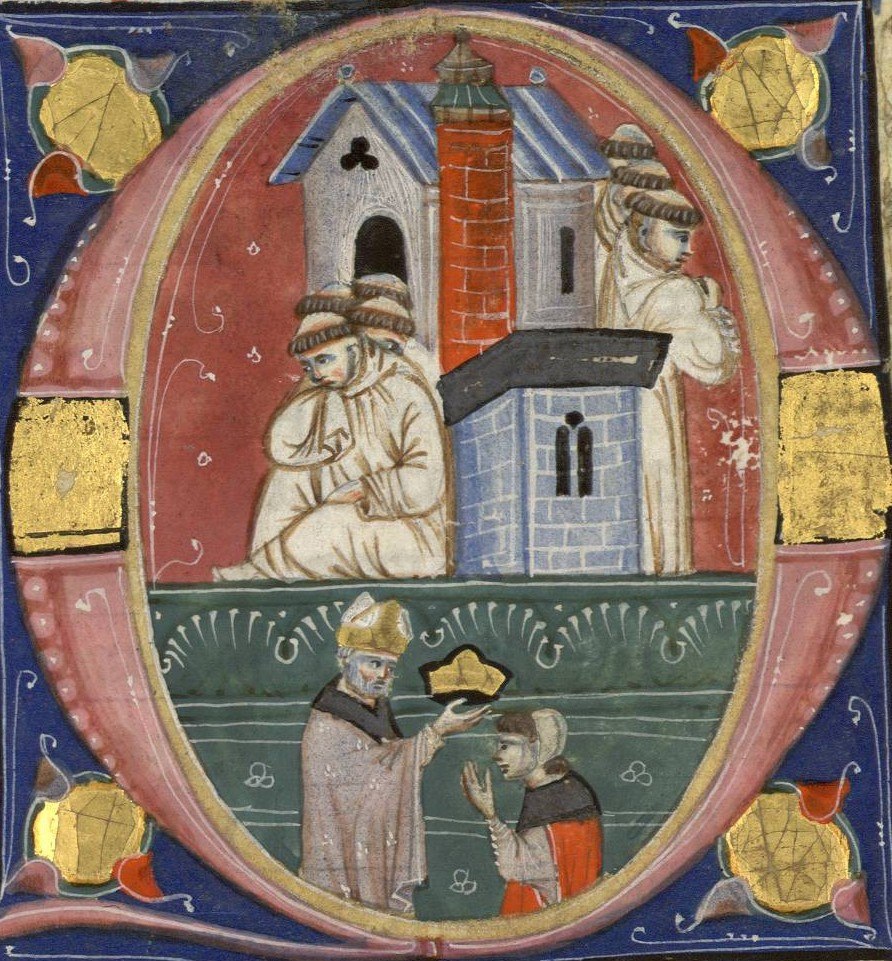
Illustration. Unidentified artist. Original image and catalogue record. Public domain. Resized for display.
