 Knights Templar
Nazareth
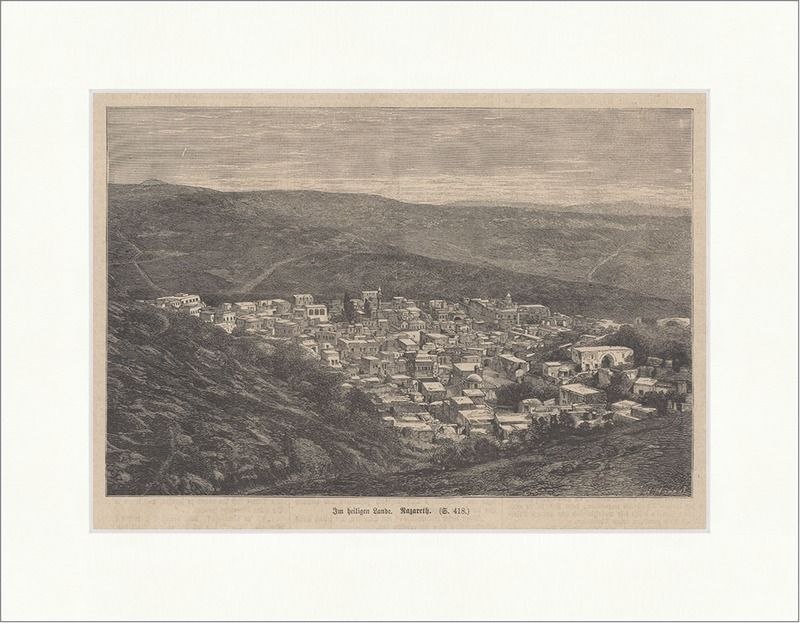
Nazareth, in the hills of Galilee, was a Christian pilgrimage destination and the seat of a Latin archbishop in the Kingdom of Jerusalem. Its significance to visitors centered on the Annunciation. It also lay within the inhabited region in which the royal court traveled and the military orders maintained houses.
Illness and the regency
William of Tyre places Baldwin IV of Jerusalem at Nazareth when a severe illness in 1183 obliged him to transfer the administration of the kingdom to Guy of Lusignan. The chronicler records the appointment in the course of a journey, a reminder that formal royal decisions could take effect well outside the capital.
The events of 1187
The Battle of Cresson took place in the surrounding country on 1 May. Two months later Saladin defeated the royal army at Hattin, and Muslim control extended through much of Galilee. Nazareth remained a religious destination regardless of who administered its hinterland.
References
- William of Tyre, History, book XXII. Chapters 1, 25–27 and 29–30 on Sibylla’s second marriage, Guy’s regency, the coronation of Baldwin V and relief of Kerak.
- Itinerarium peregrinorum, book I, chapter 2. In Chronicles of the Crusades (1882), pp. 70–71. The account names the two masters and celebrates the death of a brother called Jakeline de Maillé.
- The Battle of Hattin, 1187. Translated extracts from contemporary accounts of the campaign, including the use of Henry II’s funds and the treatment of prisoners.
Illustration. Unidentified photographer. Original image and catalogue record. Public domain. Resized for display.
