 Knights Templar
Crown of Aragon
The Crown of Aragon grew from the dynastic union of the kingdom of Aragon with the county of Barcelona. Its rulers governed lands with different laws and institutions on both sides of the eastern Pyrenees and later across the Mediterranean. For the Knights Templar, this was a region in which a military order could hold castles and serve on a frontier within Europe.
A grant made at Girona
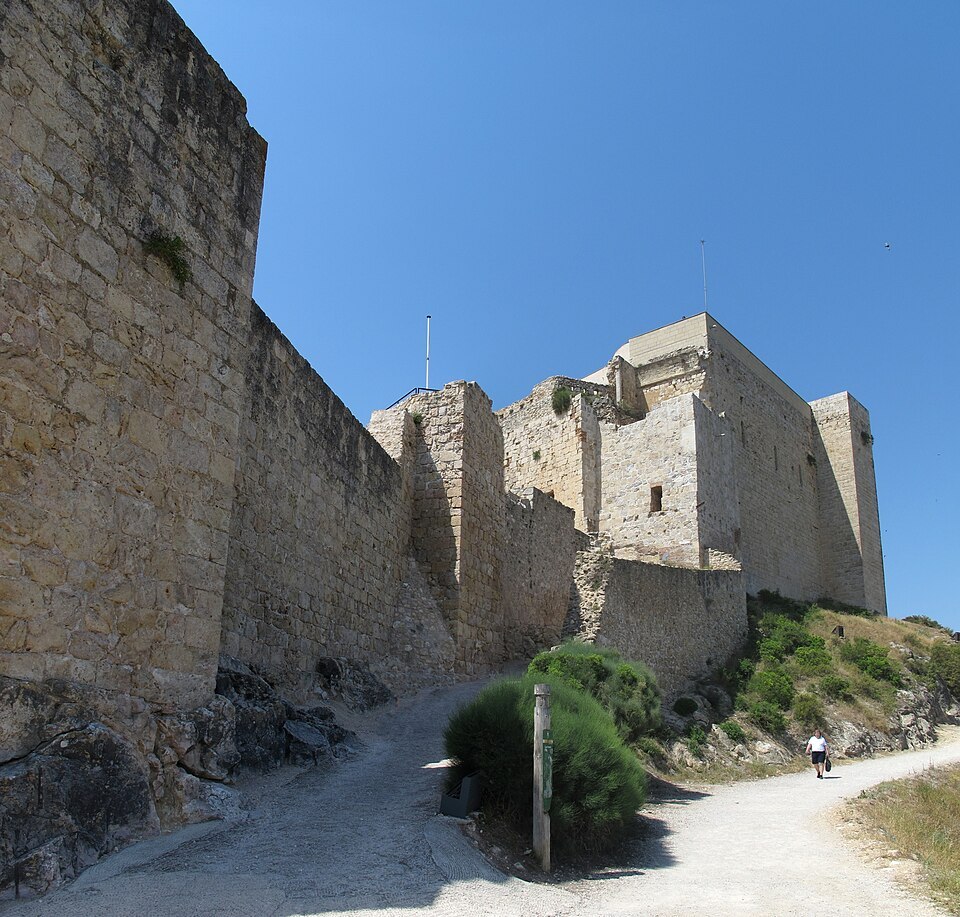
In November 1143 Ramon Berenguer IV of Barcelona described an exchange of letters and messengers with the master Robert de Craon. The Jerusalem chapter had agreed that brothers serving in Iberia should belong to the same order and follow the same rule as those in the East. The resulting Girona agreement of 1143 gave the Temple castles, land and income. Among the castles named was Monzón Castle. The count also promised rights in places that he still had to acquire.
Castles, rents and local command
The grant specifies cultivated and uncultivated land, meadows, tolls and dues. It also assigns the brothers an annual payment at Zaragoza. Holding a castle thus meant dealing with tenants, markets and accounts as well as its garrison. Arnau de Torroja spent years governing the order’s western houses before his election as master. The military and financial commitments of this region formed part of his experience long before he reached the East.
After suppression
When Pope Clement V issued Ad providam in 1312, Aragon was one of the kingdoms whose Templar possessions he expressly withheld from the general grant to the Hospitallers. Local negotiations over the estates continued after the order itself had ceased to exist.
References
- Ramon Berenguer IV, agreement with the Temple at Girona, 27 November 1143. Cartulaire général de l’ordre du Temple, ed. Marquis d’Albon, no. CCCXIV, pp. 204–206. Compare the papal confirmation on p. 387. Latin text.
- Renewal of the papal privilege for Arnau, 1182. The Crusades Regesta, RRR 1094. Letter of 5 January, naming the reigning master.
- Council of Vienne. Vox in excelso and Ad providam, 1312. Clement V sets out the grounds for suppression and the disposition of the order’s property.
Illustration. Misburg3014. Original image and catalogue record. CC BY-SA 3.0. Resized for display.
