 Knights Templar
Baldwin III of Jerusalem
Baldwin III was king of Jerusalem at the time of the Second Crusade. When Louis VII of France and Conrad III of Germany met him in 1148, Baldwin brought something neither visiting king possessed. He could call on the men and resources of a kingdom already established in the eastern Mediterranean. He joined both kings on the expedition against Damascus.
The council and the campaign
On 24 June 1148 the leaders met near Acre to decide what to do with the forces gathered in the kingdom. A month later, according to William of Tyre, Baldwin’s men led the advance on Damascus because they knew the country. The siege ended on 28 July. The German king could eventually embark for home. For Baldwin, the rulers and people of Damascus remained neighbors across a frontier.
Ascalon
Conrad’s September letter records an early attempt to gather an army against the Egyptian-held port of Ascalon after the withdrawal from Damascus. Few men appeared at the appointed gathering. Baldwin’s kingdom eventually captured Ascalon in 1153. Among the dead was Bernard de Tremelay, master of the Temple. His death brought a change of leadership in the order during one of the kingdom’s most important conquests.
References
- William of Tyre, The Fiasco at Damascus. Brundage’s introduction and William’s account of Baldwin and the army of Jerusalem in 1148.
- Letters of Conrad III during the Second Crusade. Conrad’s second letter for the abandoned Ascalon expedition of 1148.
- Charles du Fresne du Cange, Les familles d’outre-mer. The notice on Bernard de Tremelay gives the later siege of Ascalon and the master’s death in 1153.
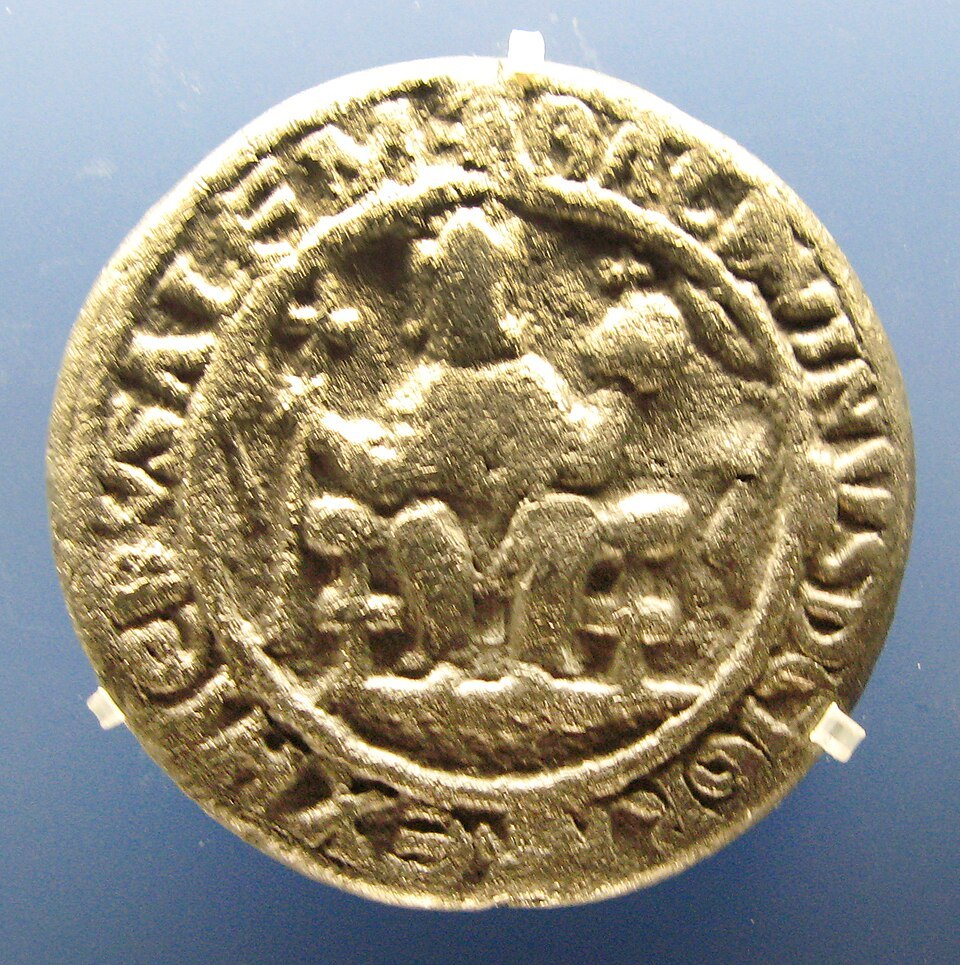
Illustration. Francesco Bini. Original image and catalogue record. CC BY-SA 4.0. Resized for display.
